

Bolle Creamery
The History of the BOLLE Festsäle
Berlin Industrial Architecture
A Place with a Moving Past
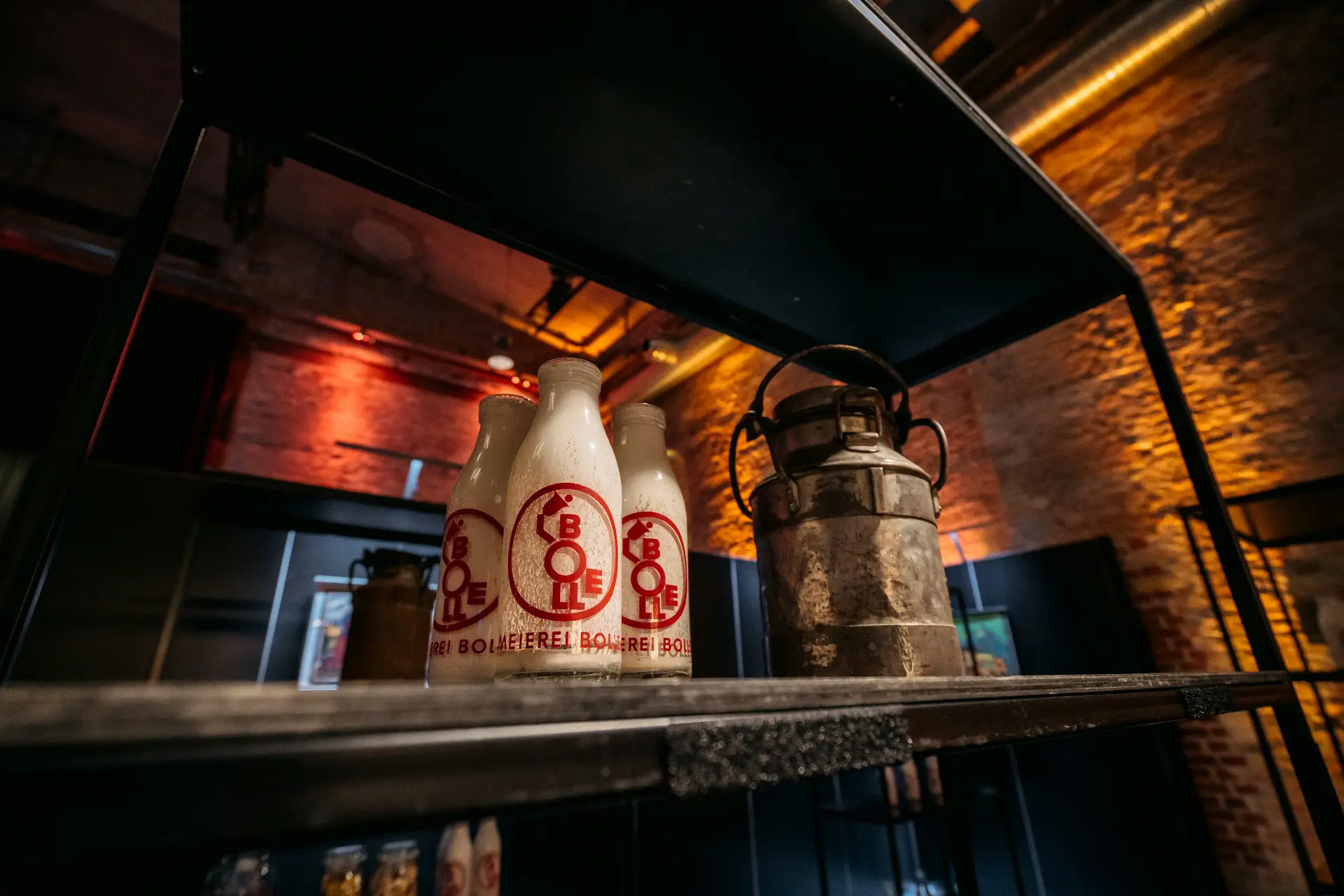
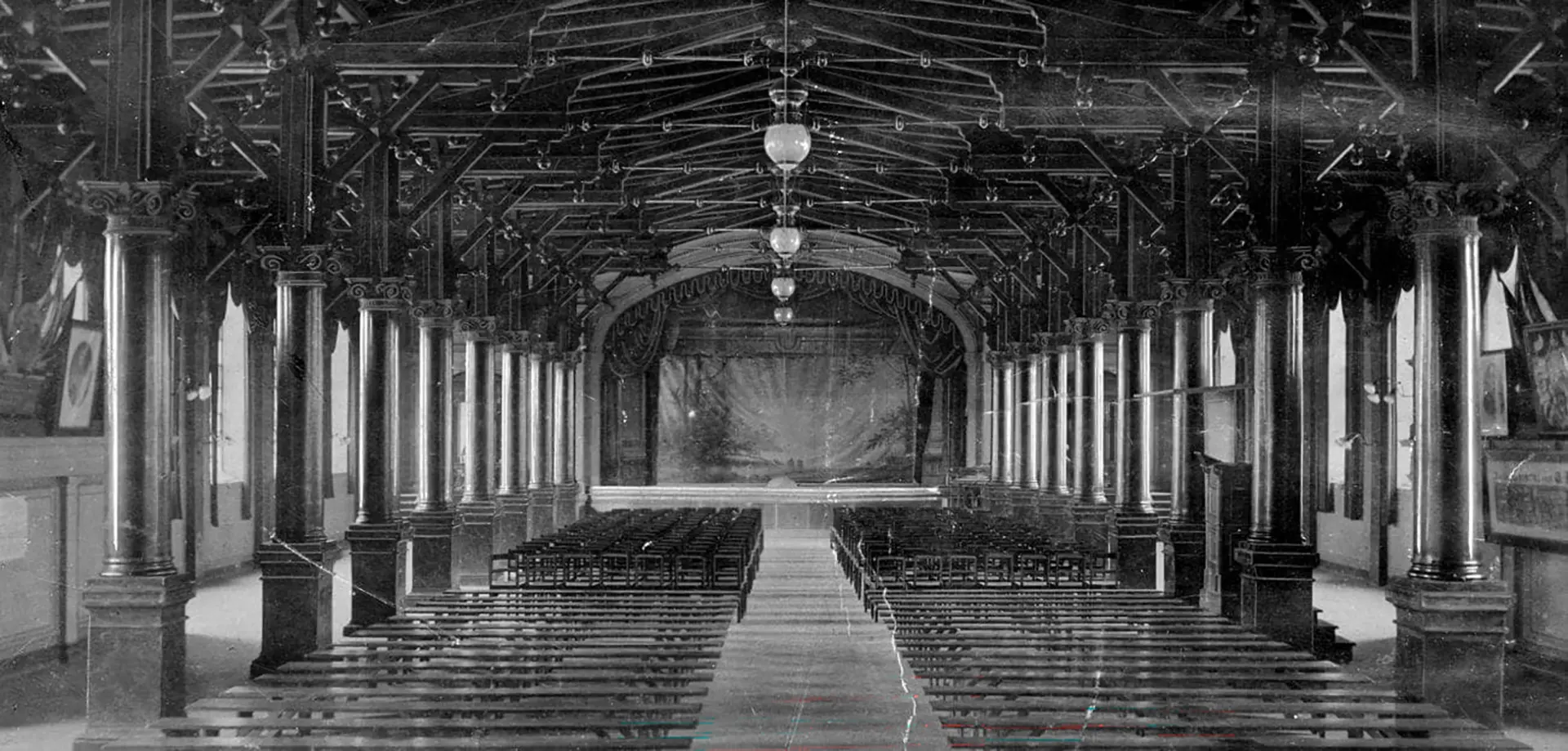
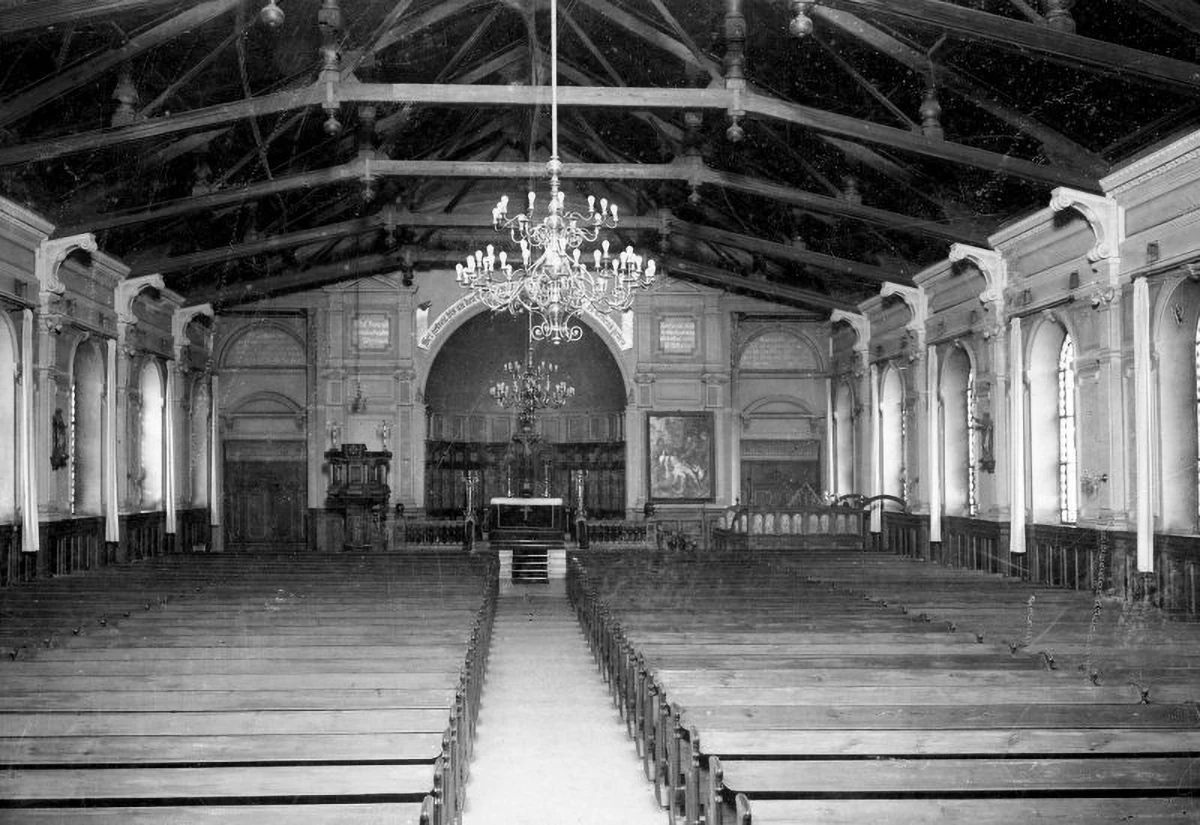
The BOLLE Festsäle are among Berlin’s most significant historic event locations and look back on an impressive history. Originally built in 1890 as a factory chapel and ballroom for the C. Bolle Creamery, they continue to embody the innovative spirit of the Berlin industrial era to this day. Founded by the visionary entrepreneur Carl Bolle, the Bolle Creamery developed into one of the defining enterprises of an up-and-coming Berlin.
As early as 1893, the grand halls were officially inaugurated by the last German Empress, Auguste Viktoria – an event that underscores their social status and architectural significance.
Since then, the imposing halls have served a variety of purposes over the decades: as a production site for margarine, as an interim church, as a cinema, and later even as a theater. Each of these uses has left its mark, turning the premises into true contemporary witnesses of Berlin's economic history.
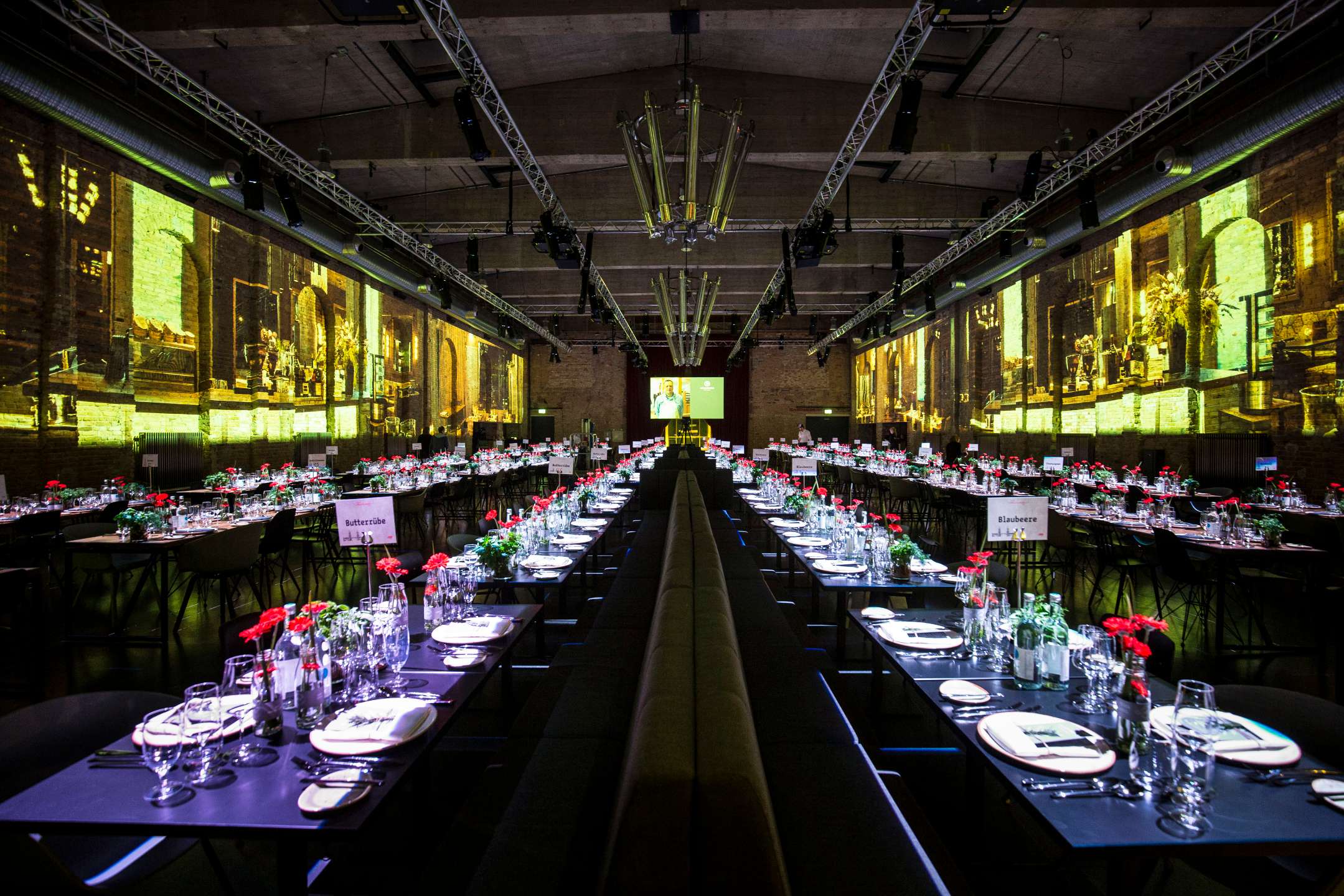
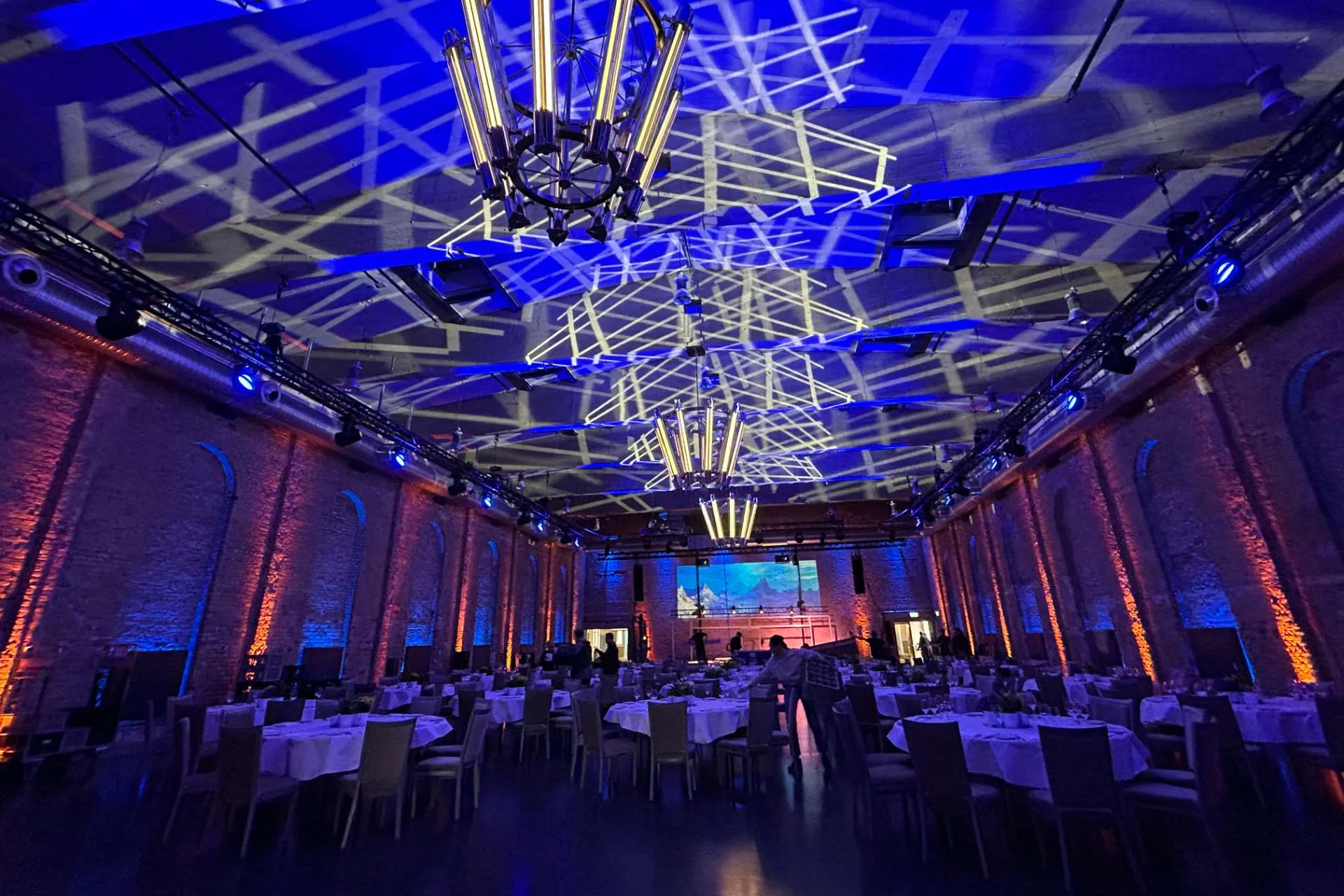
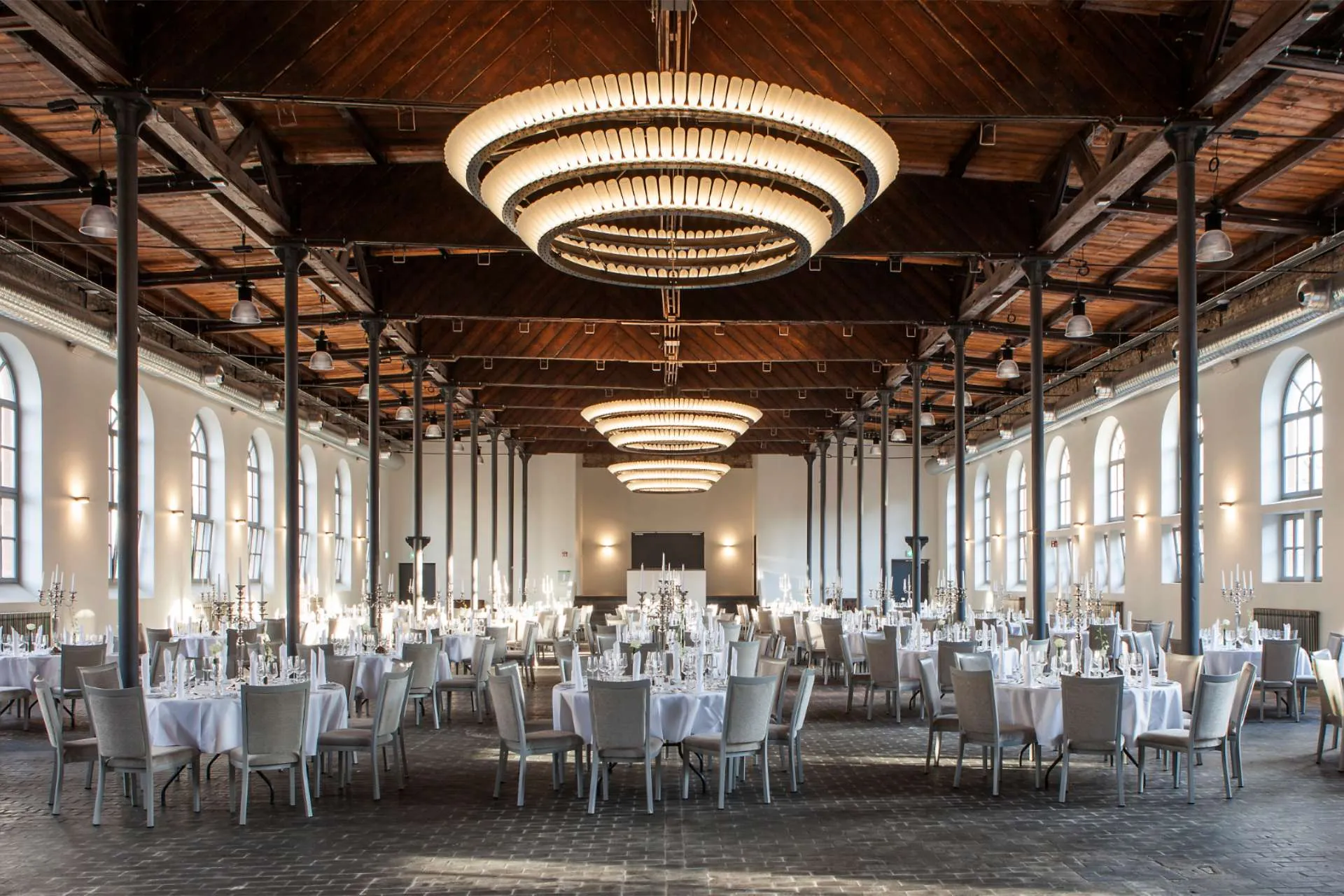
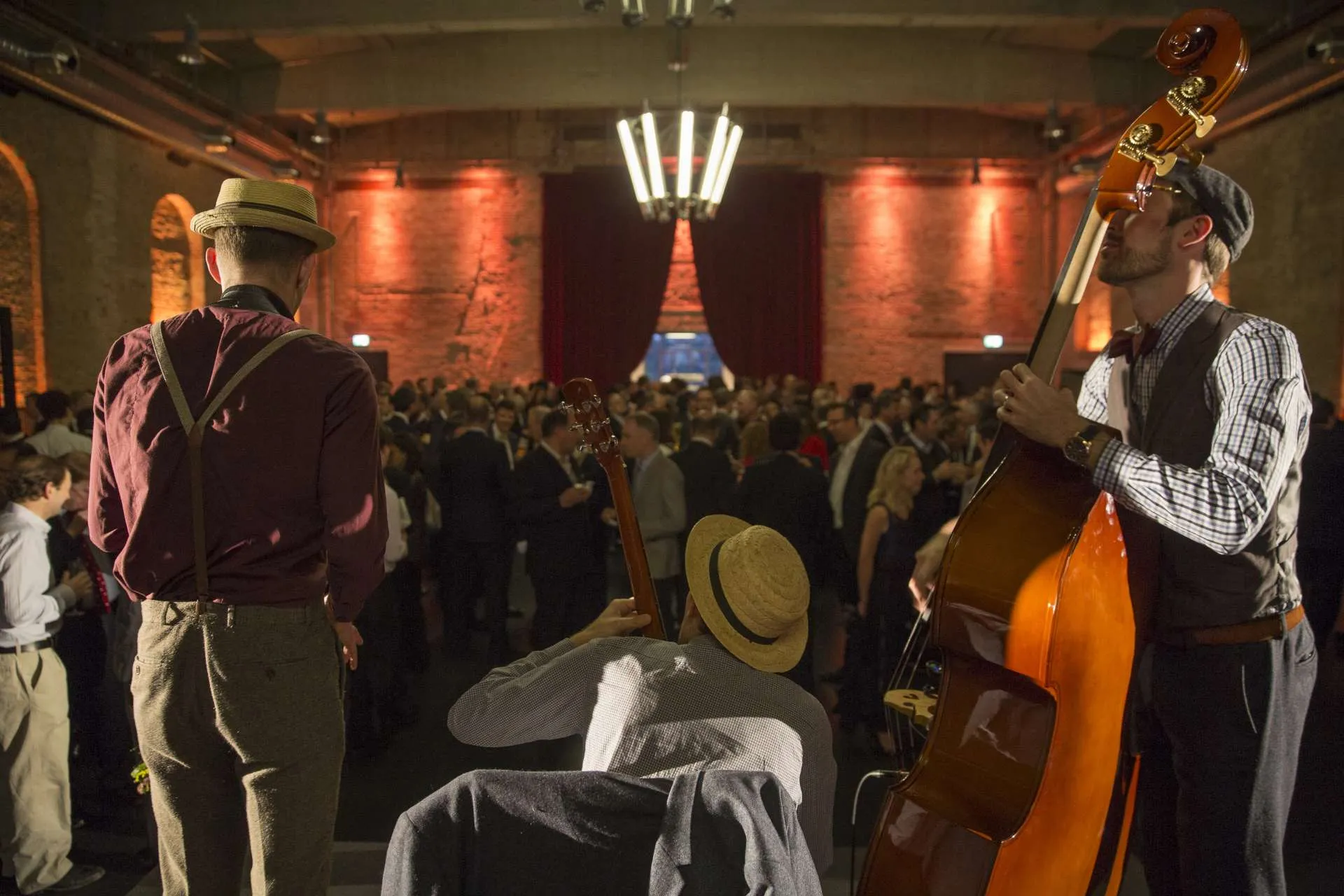
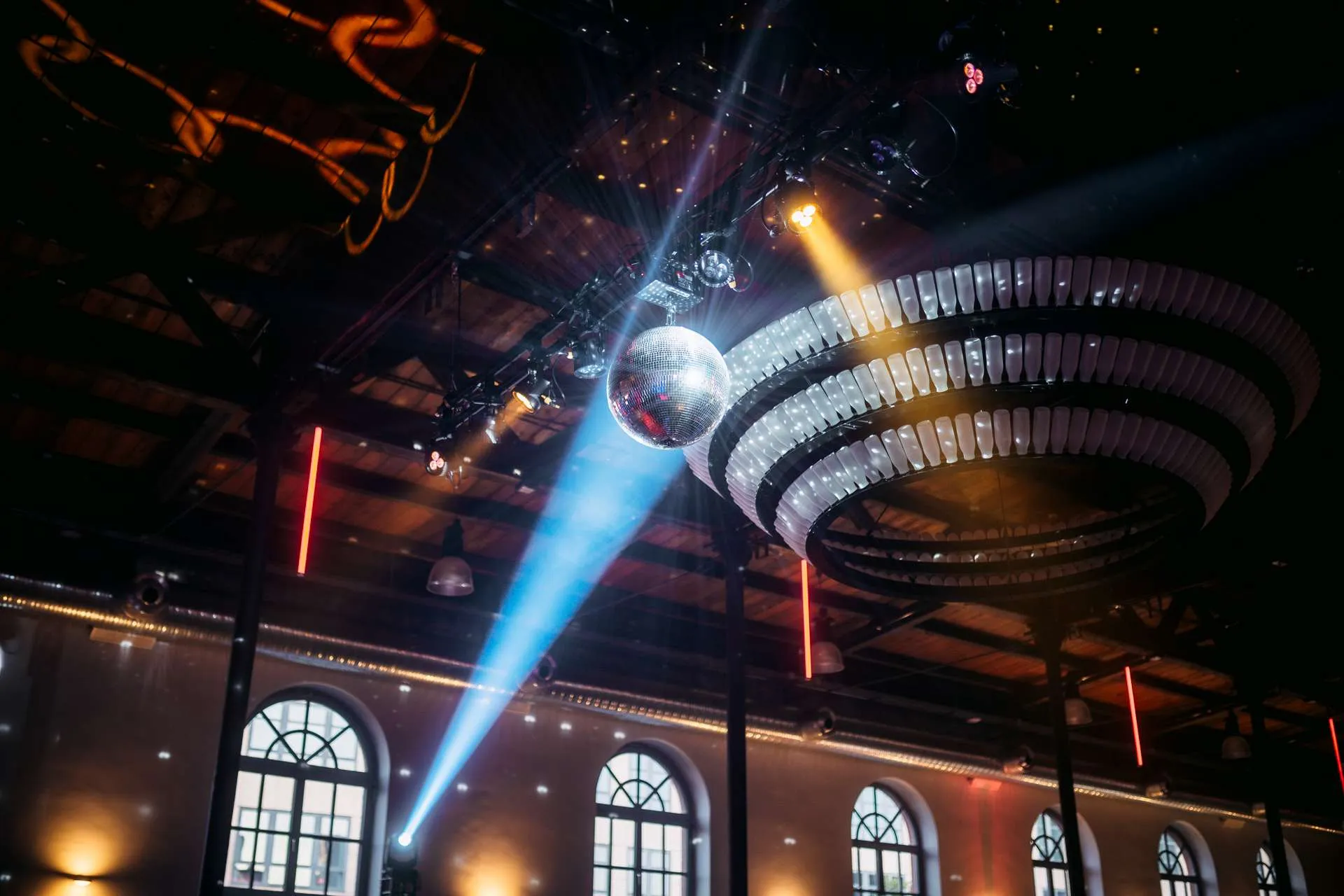
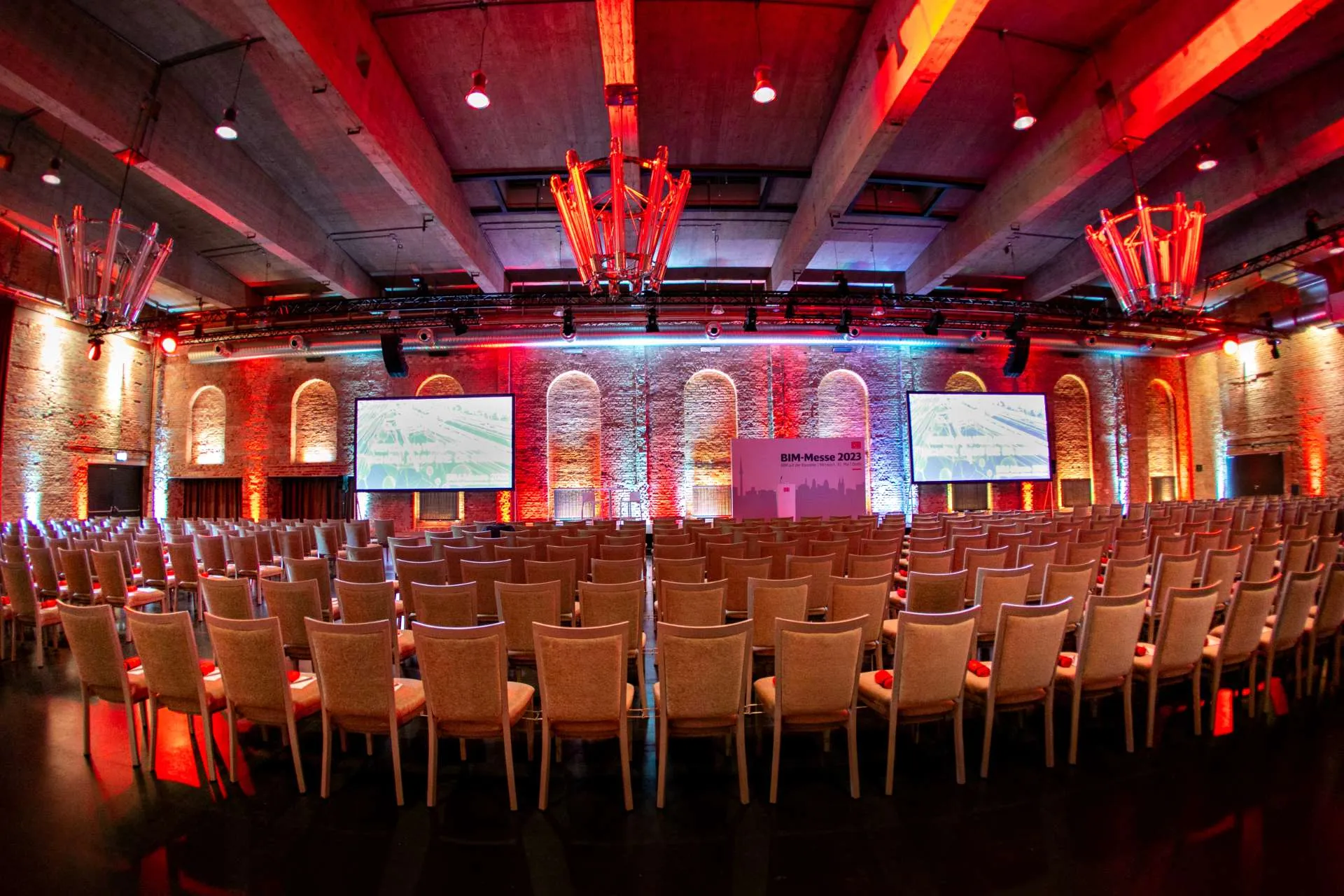
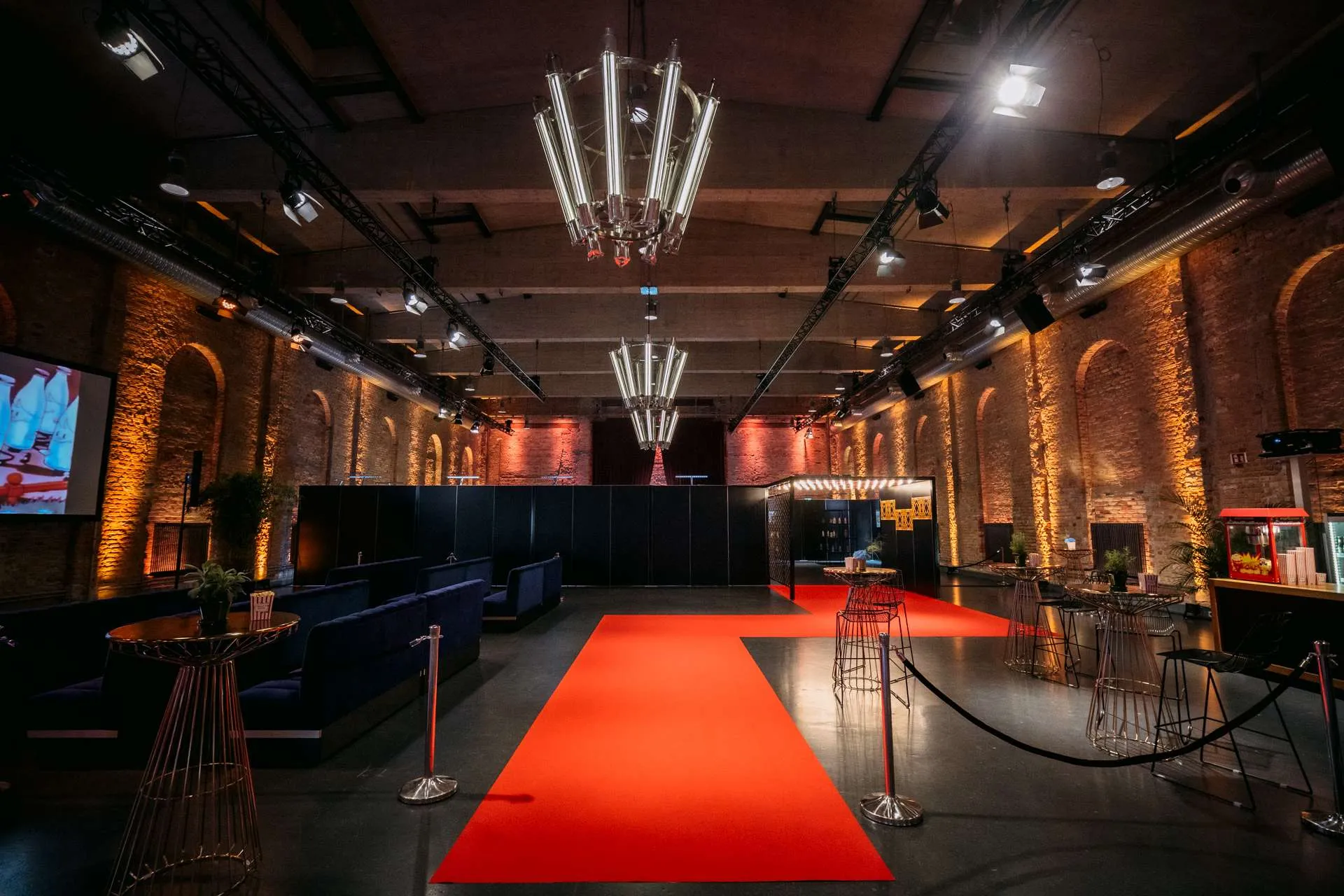
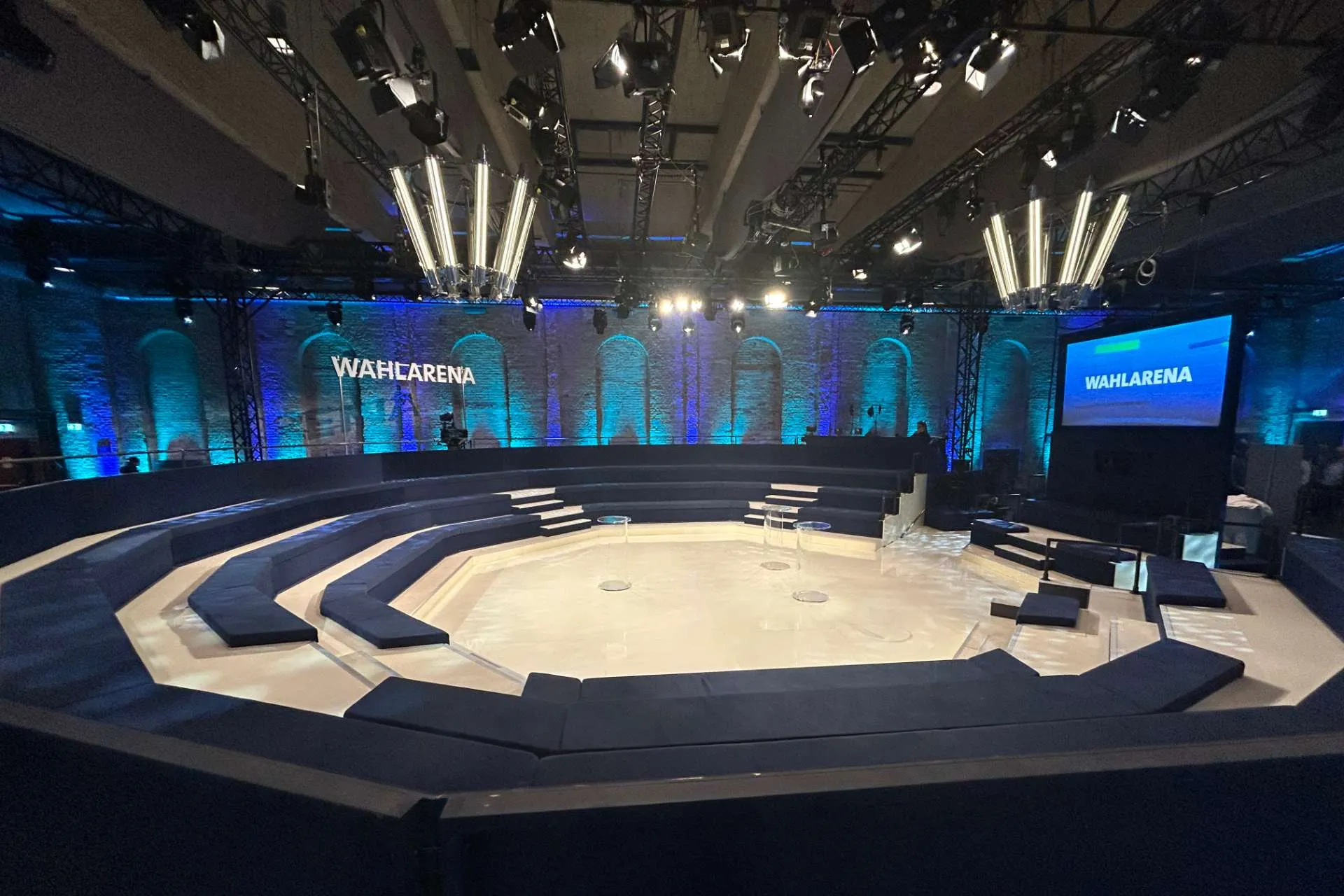
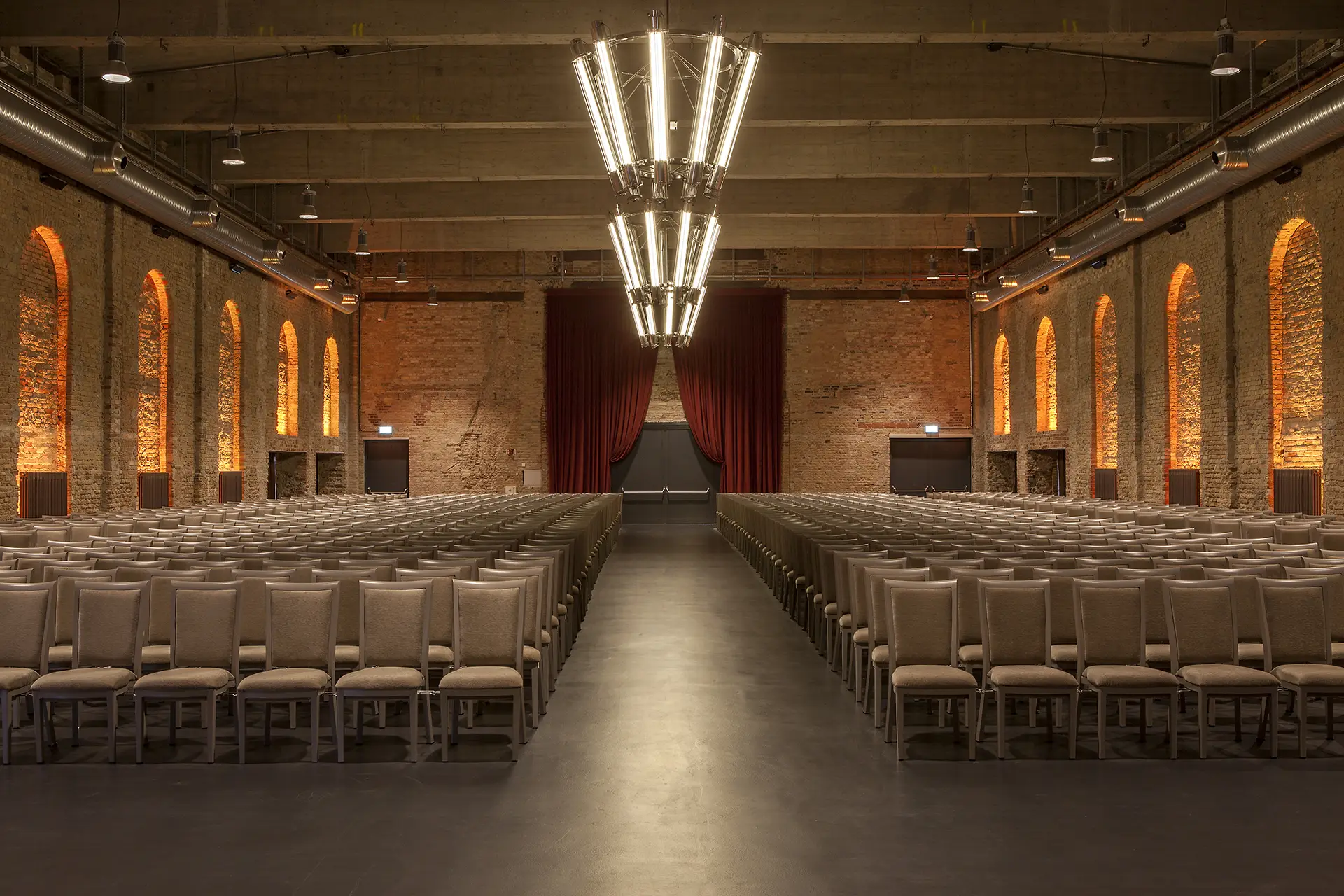
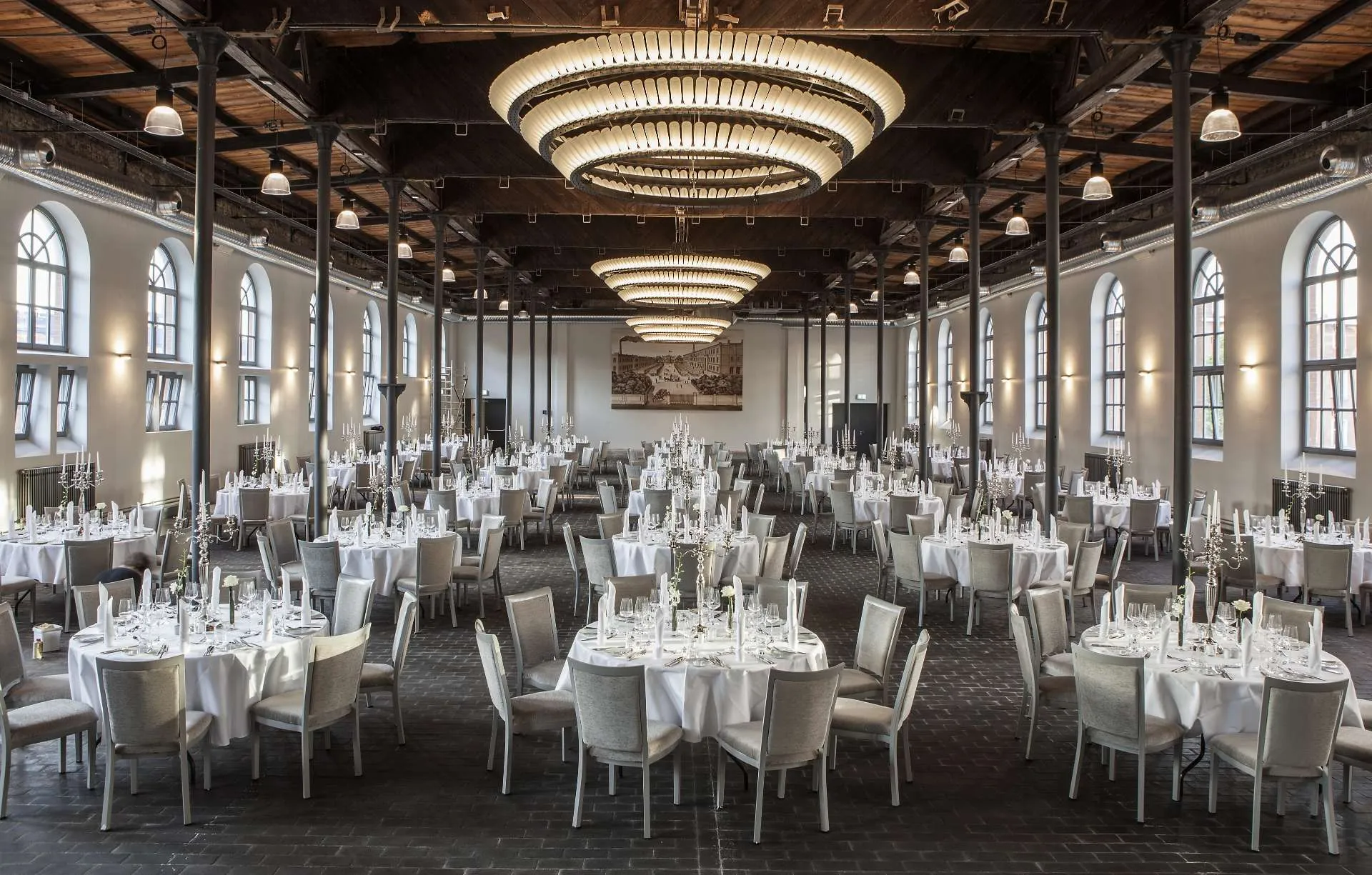
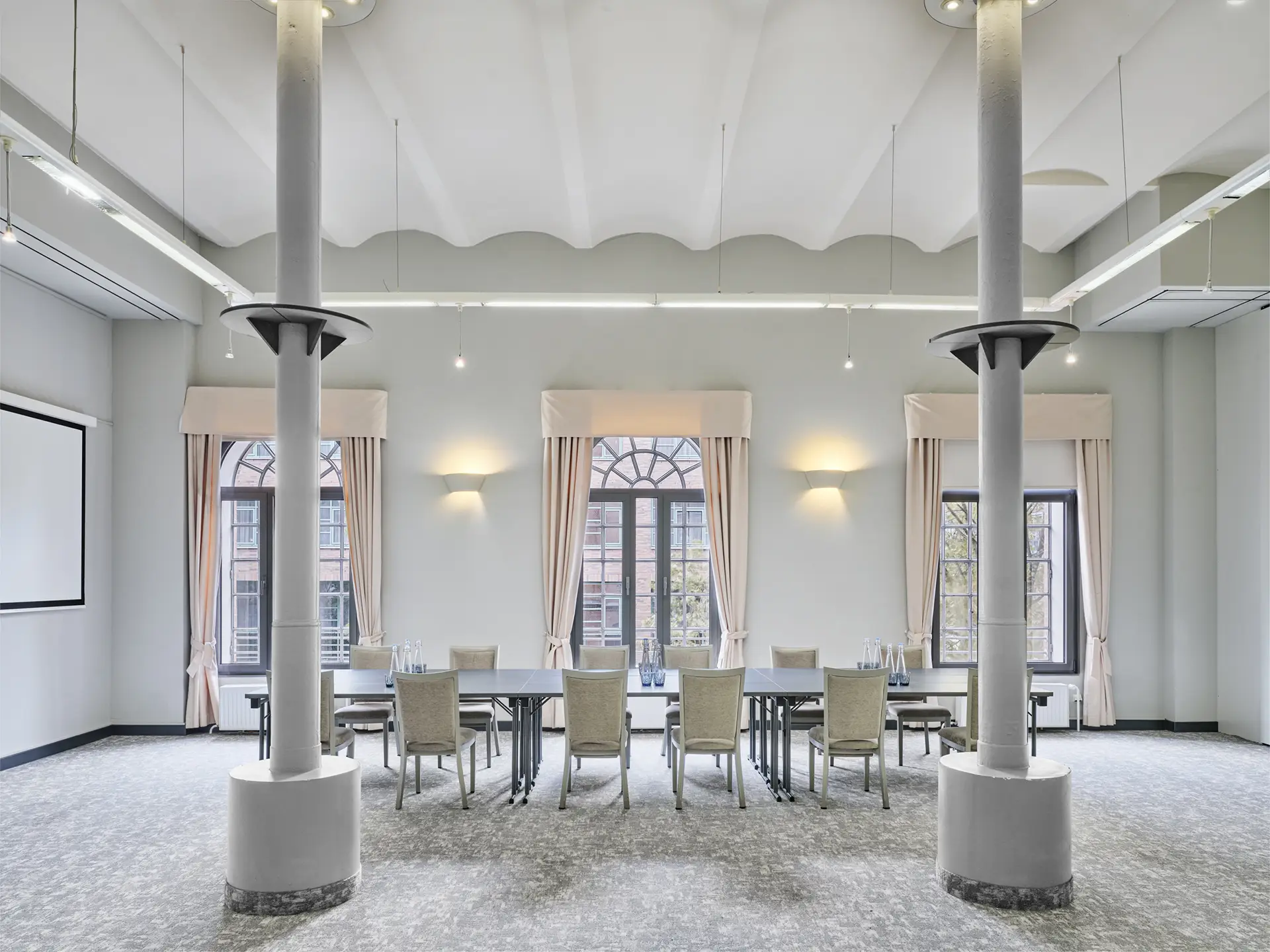
Today, the BOLLE Festsäle present themselves as a stunning example of listed Berlin industrial architecture. Characteristic brick walls, cast-iron columns, ceilings up to eight meters high, and distinctive steel-strut windows lend the location its unmistakable charm. The love for historical detail is palpable in every corner, ensuring that historical authenticity and modern event culture come together here in a unique way.
With their blend of industrial grandeur, historical significance, and architectural expressiveness, the BOLLE Festsäle today provide an inspiring setting for events of all kinds – while simultaneously commemorating Berlin’s first major economic boom.
Historical Insights
Insights into History
From Premium Milk to a Berlin Cult Brand
The History of the Bolle Creamery
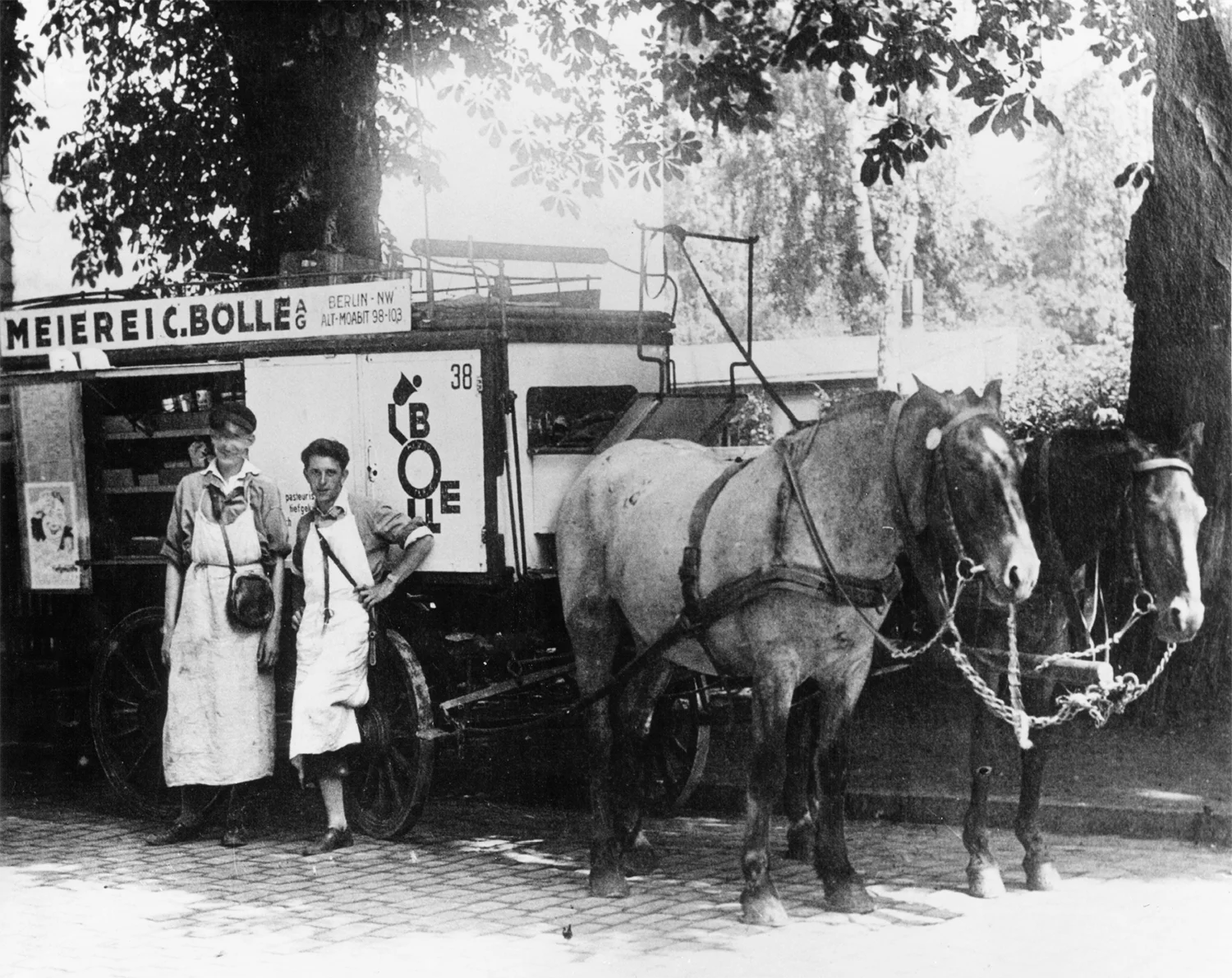
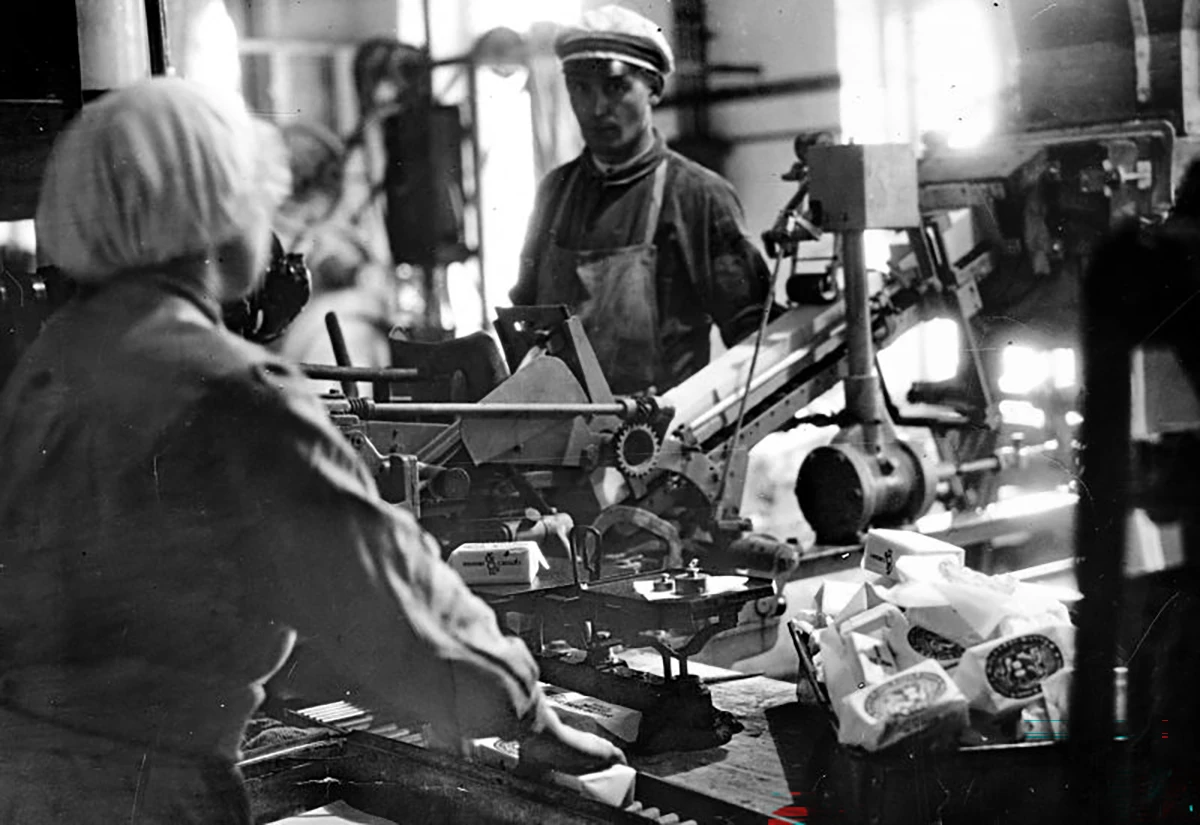
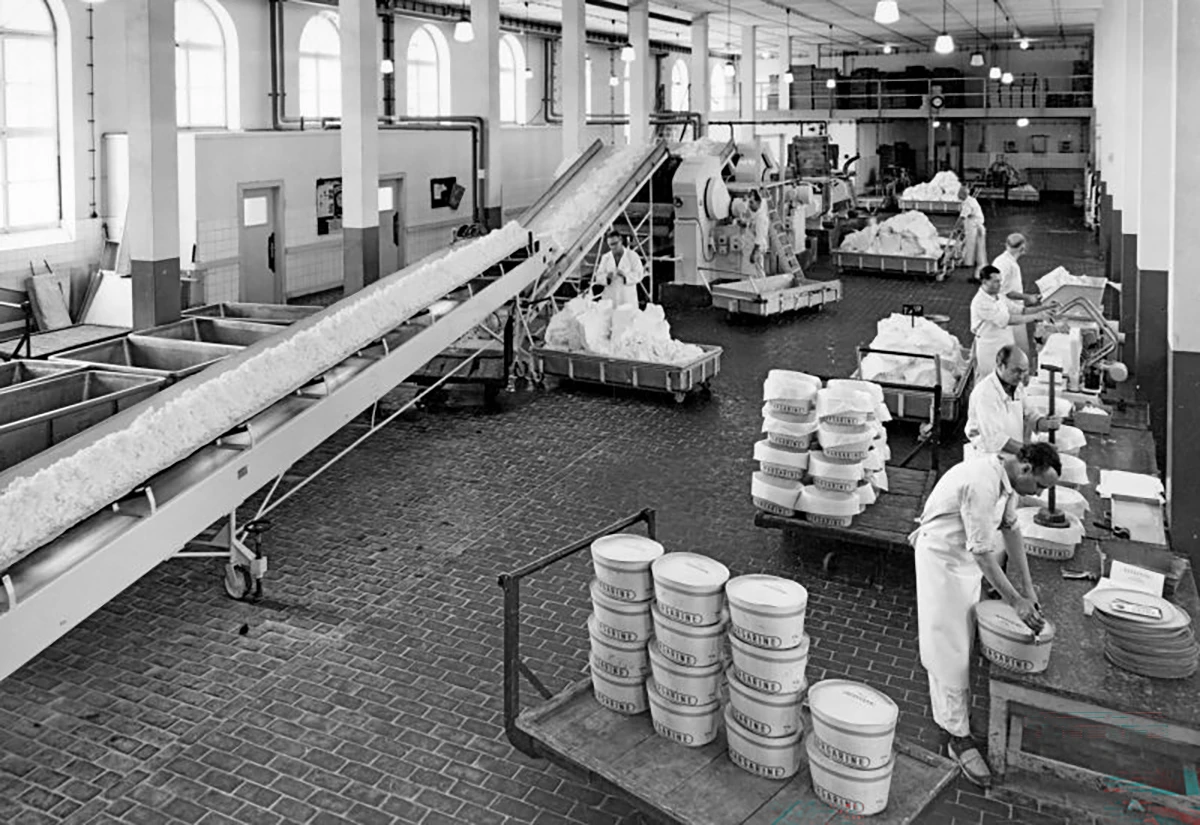
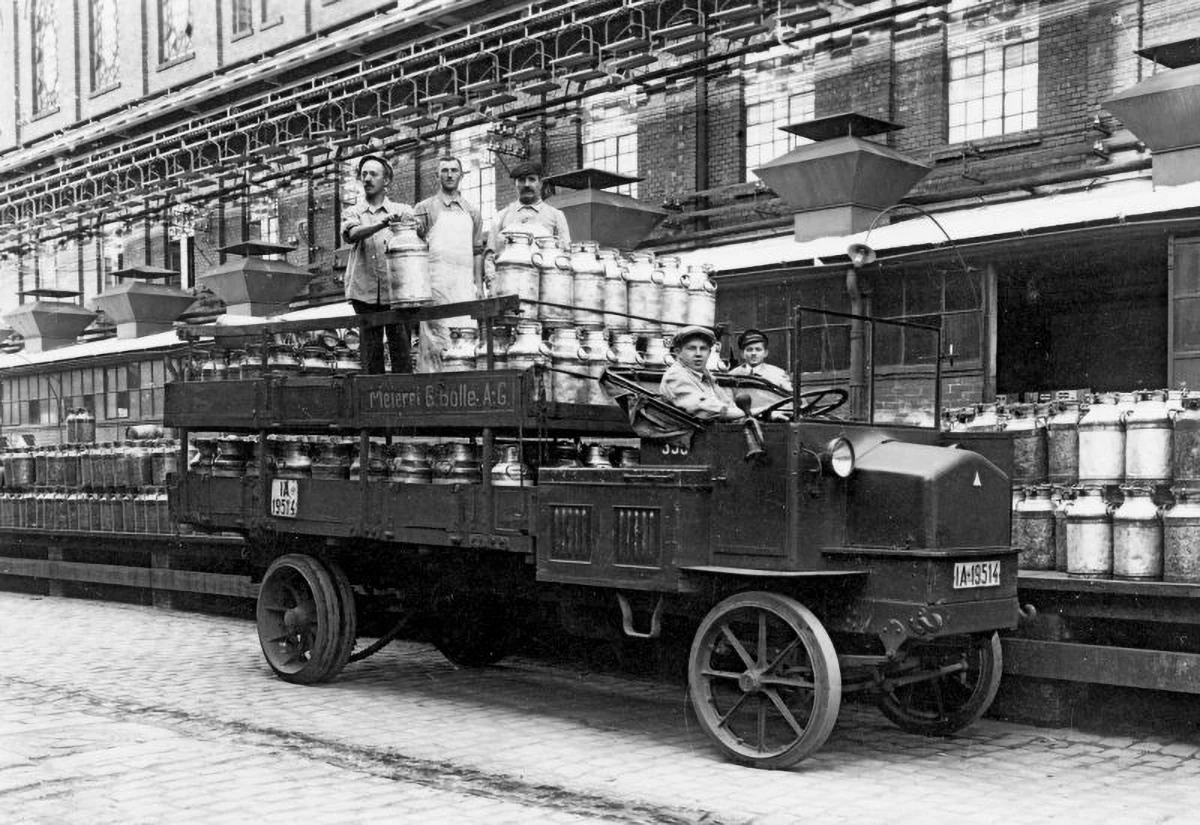
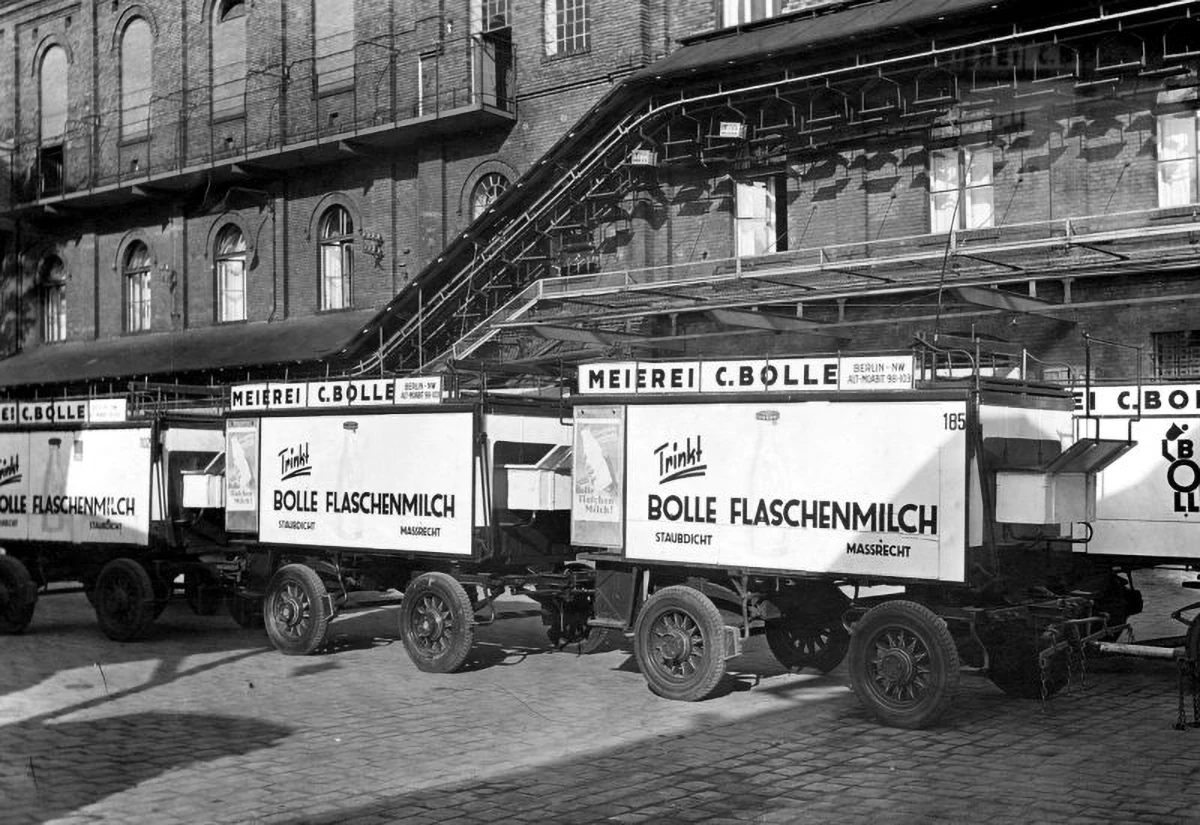
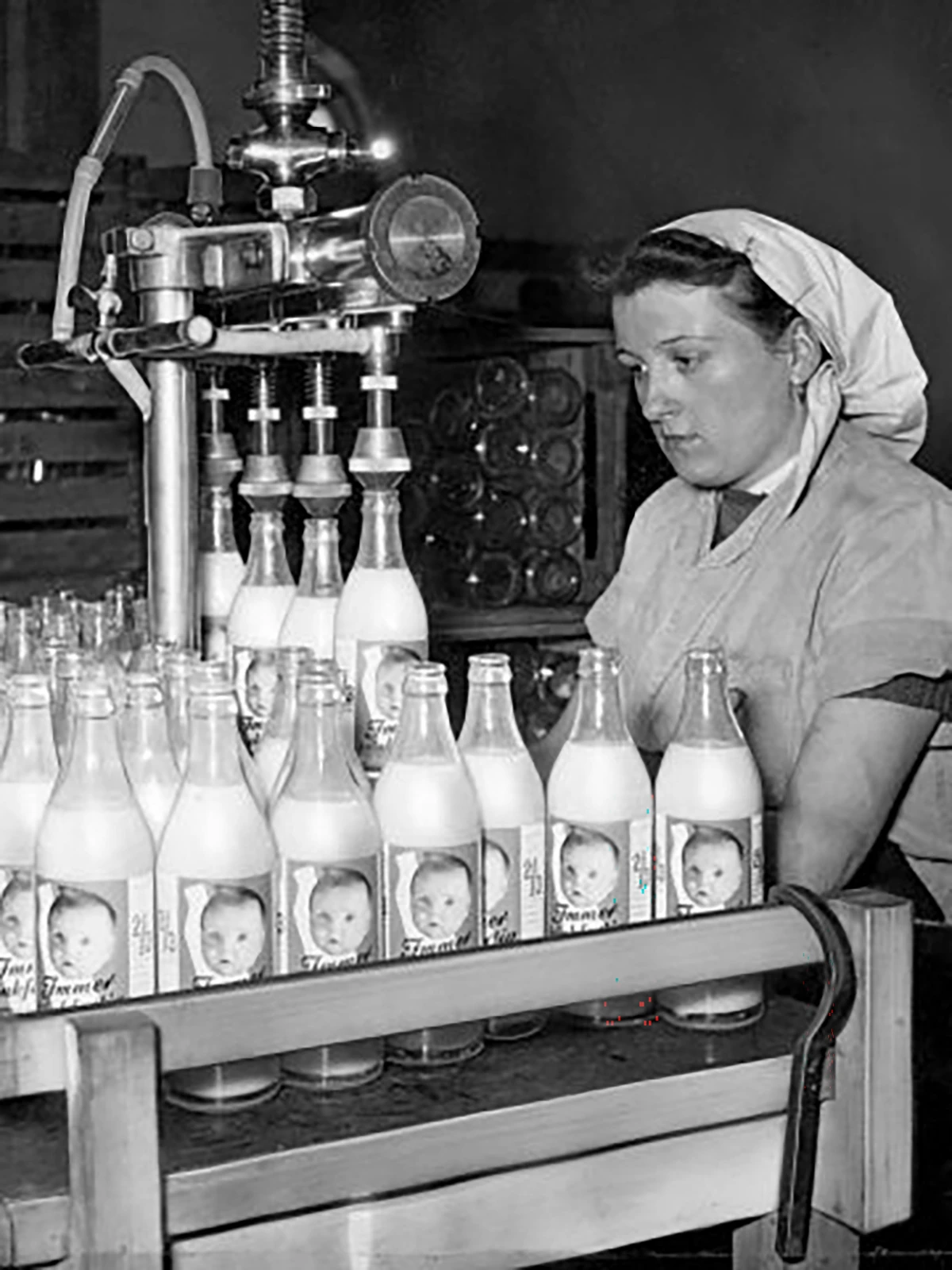
Carl Bolle, the namesake of today’s BOLLE Festsäle, is one of the defining entrepreneurial figures of the Berlin economic boom in the 19th century. By founding the Bolle Creamery, the capital's most modern large-scale dairy operation at the time, the trained master mason set new standards for food production, logistics, and social responsibility.
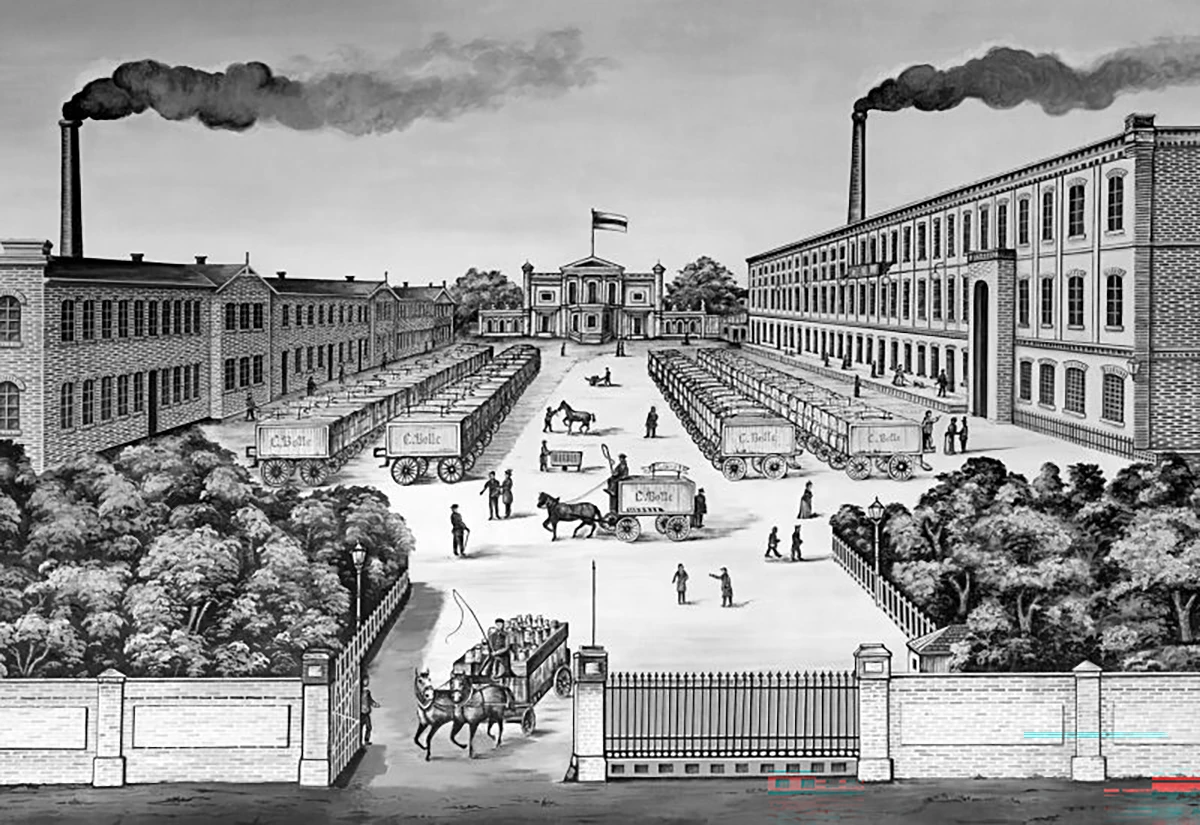
An impressive corporate complex emerged on the historic site of today’s Spree-Bogen: production and workshops, stables, fleets of vehicles, retirement pastures, as well as extensive social and community facilities for the workforce. Up to 2,000 employees found not only work but often accommodation here – a progressive concept that solidified Bolle's reputation as an innovative employer.
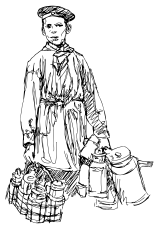
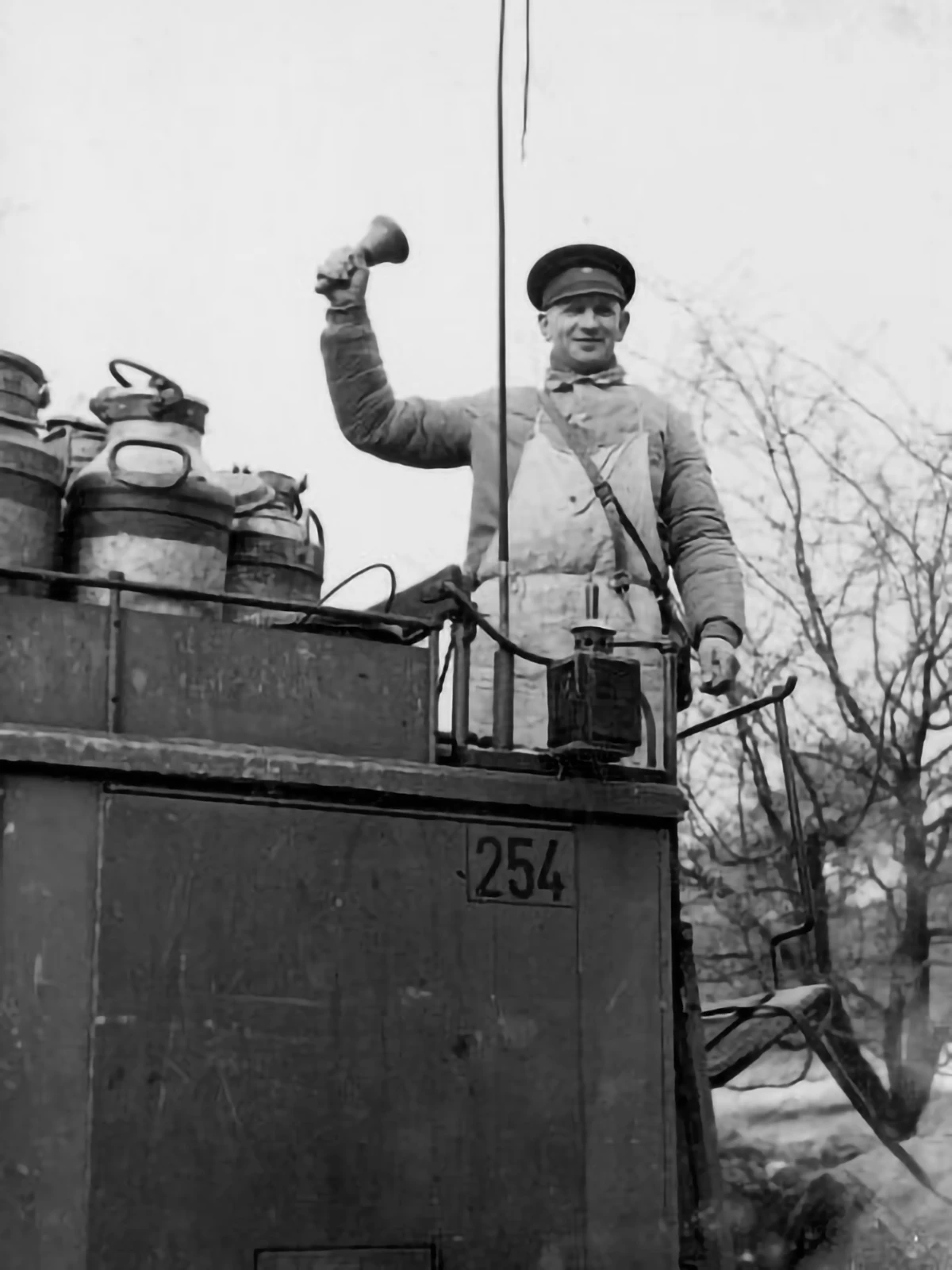
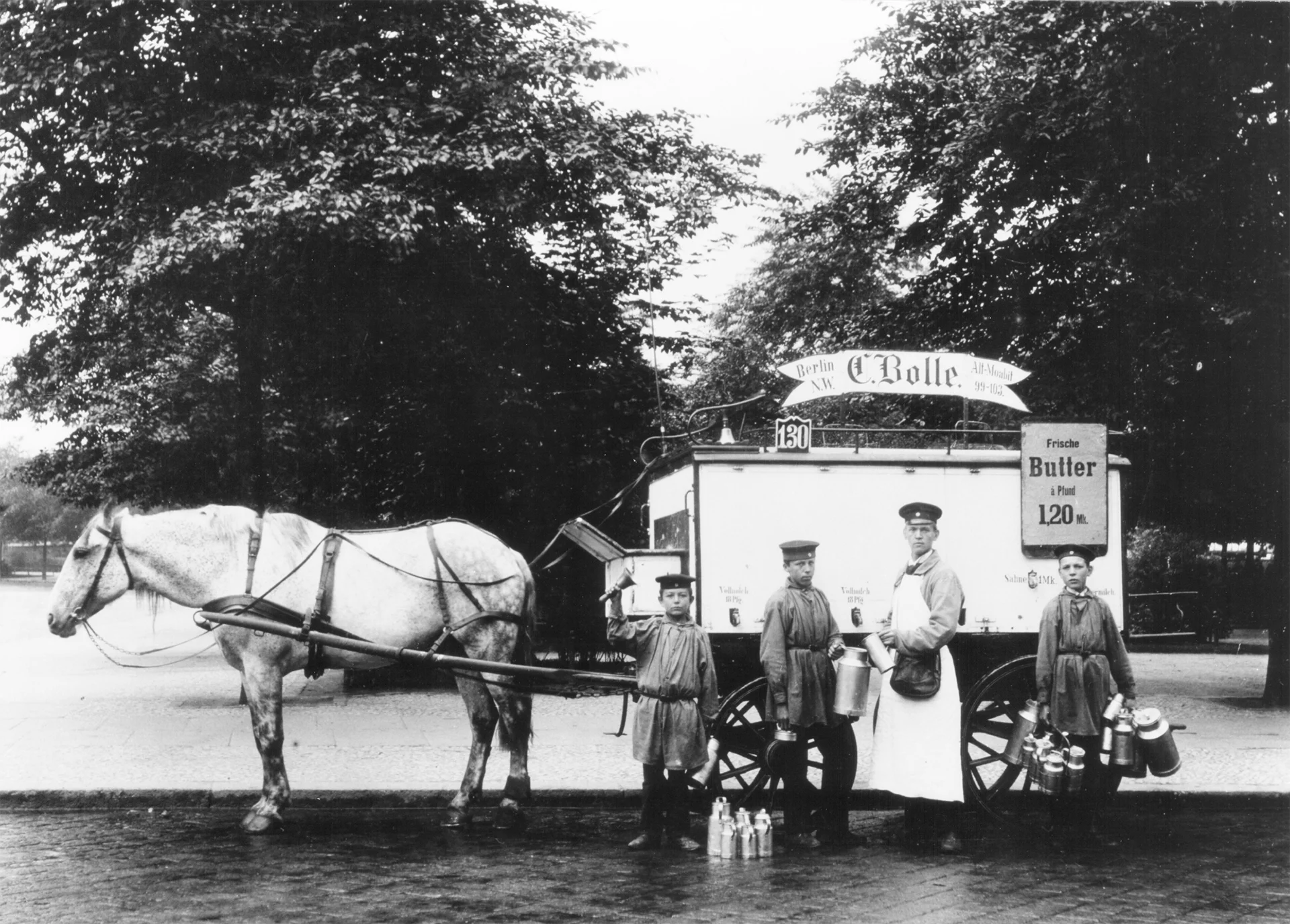
He earned his affectionate nickname "Bimmelbolle" (Ringing Bolle) from the characteristic appearance of his horse-drawn carriage fleet: hundreds of coachmen and milkmaids traversed the streets of Berlin every day, equipped with handbells to bring fresh milk and the latest gossip right to the doorsteps. This image shaped city life just as permanently as the entrepreneurial spirit Carl Bolle left behind.
Today, the stories, traditions, and industrial charm of the former creamery live on in the BOLLE Festsäle – an event location that brings history to life and combines unique Berlin flair with contemporary comfort.
Meticulous Renovation
Treasures of the Wilhelminian Era
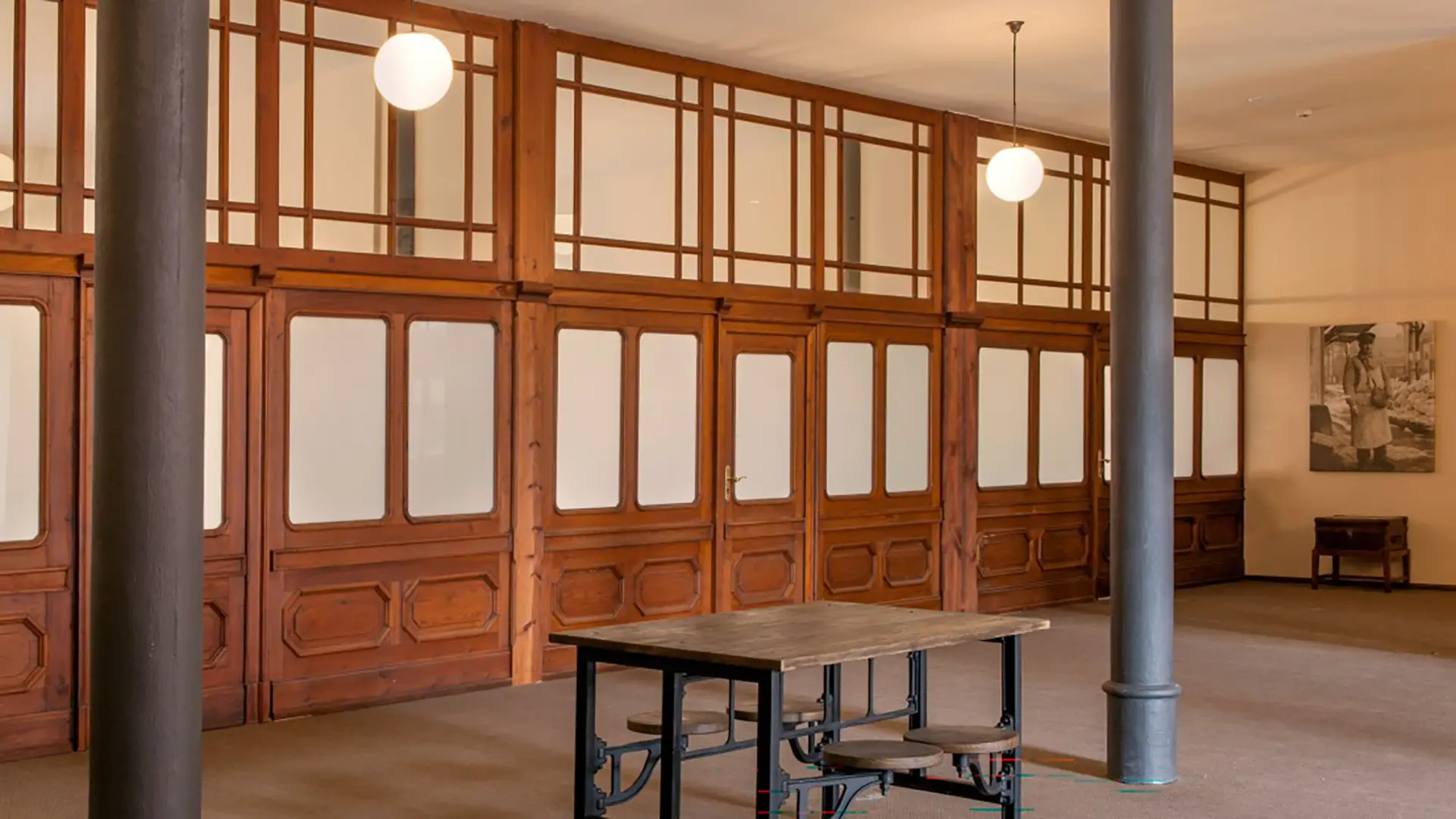
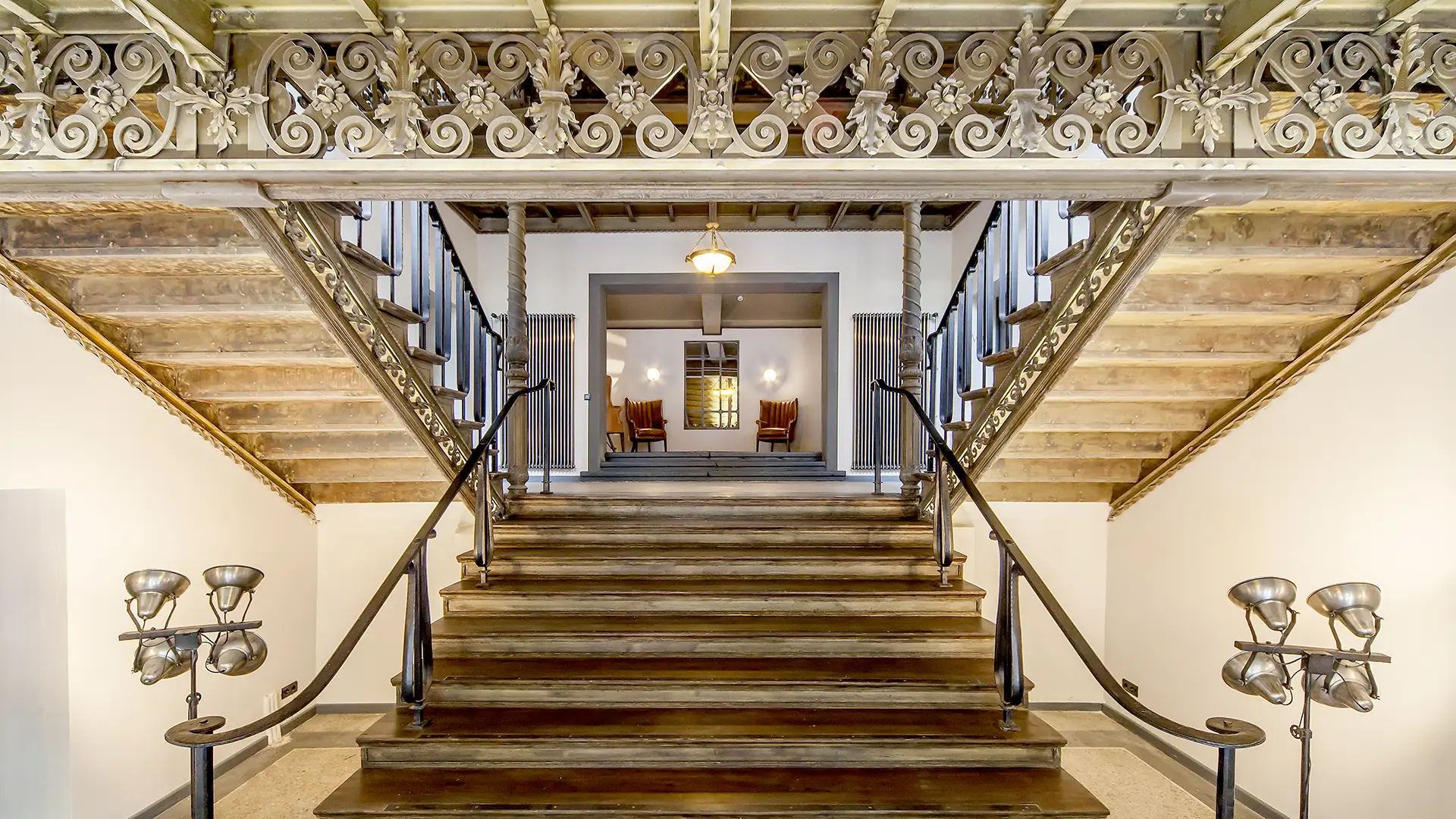
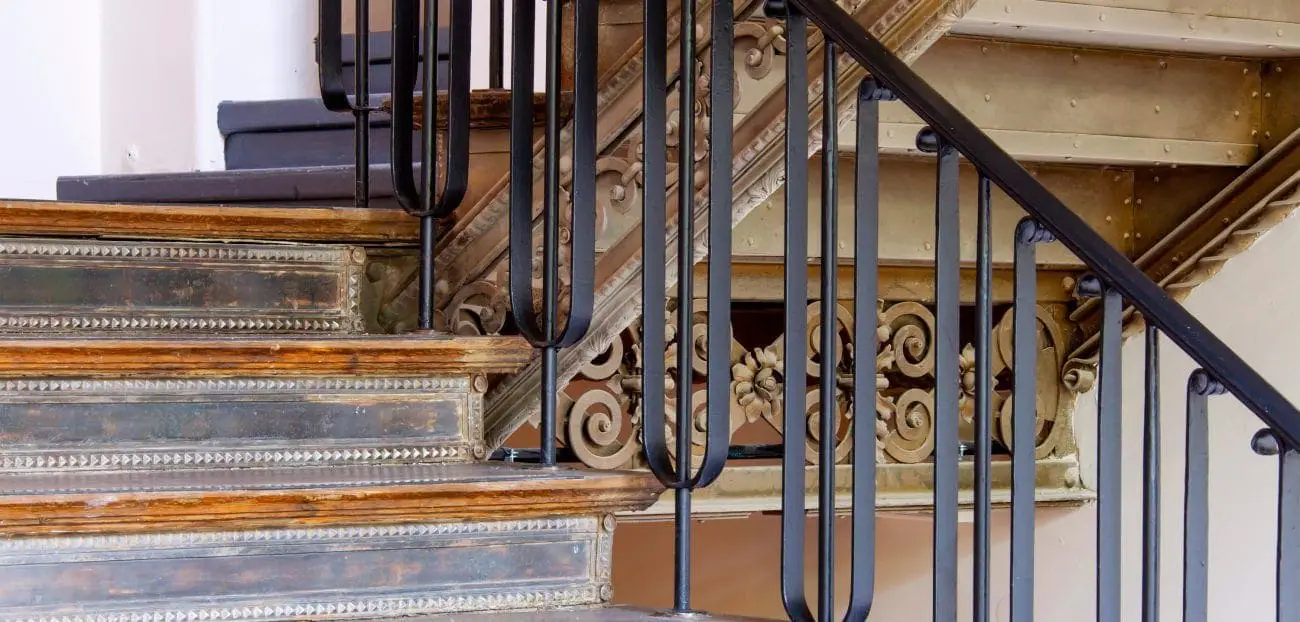
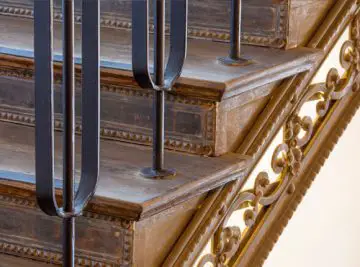
The grand halls were originally a ballroom and a factory chapel, later a production site for margarine, then the Welt Kino—one of Berlin's first movie theaters—moved in, and finally, it became the venue for the Berliner Kammerspiele. During the extensive renovation phase, the unique charm of the industrial architecture was highlighted and translated into the modern era. In the process, treasures from the Wilhelminian founding period came to light, such as pitch pine floorboards, an old staircase with elaborately intertwined iron ornaments, old office counting houses, and the grand halls themselves.



A Piece of Berlin History
Moabit Through the Ages
With a population of nearly 80,000, the most populous district of Berlin’s Mitte borough has far more to offer than a notorious correctional facility and Europe’s largest criminal court. First mentioned in the 13th century as a cattle pasture and around 1600 as a hunting ground for the Brandenburg electors, there are numerous theories about the origin of the name Moabit. The most plausible is that the word traces back to the Huguenots, who were the first to settle there in 1717 and struggled in vain to cultivate mulberry plantations and silkworms.
In reference to the biblical land of Moab, which offered refuge to the Israelites after their exodus from Egypt, and the French word for living, "habiter," Moabit was born. With the settlement of heavy industries such as the royal powder mills and the Borsig ironworks, among others, economic success grew. This led to the incorporation of Moabit into Berlin in 1861 and paved the way for the success story of the Bolle Creamery. Today, Moabit stands for its diversity, its potential, and its central location in a city bursting at the seams.
From the 1930s